- Financial Survival Network
- Posts
- COMEX vs. Shanghai ⚔️ The Silver Battlefield Most Investors Never See
COMEX vs. Shanghai ⚔️ The Silver Battlefield Most Investors Never See
If you want to understand silver, you have to understand where the price is actually set.

Kerry Lutz
February 19, 2026
If you want to understand silver, you have to understand where the price is actually set. It’s not set at your local coin shop 🪙. It’s not set by industrial users ordering bars for solar panels. It’s set inside leveraged futures markets where billions of dollars move in milliseconds. Until you understand that structure, volatility will always feel personal — when it isn’t.
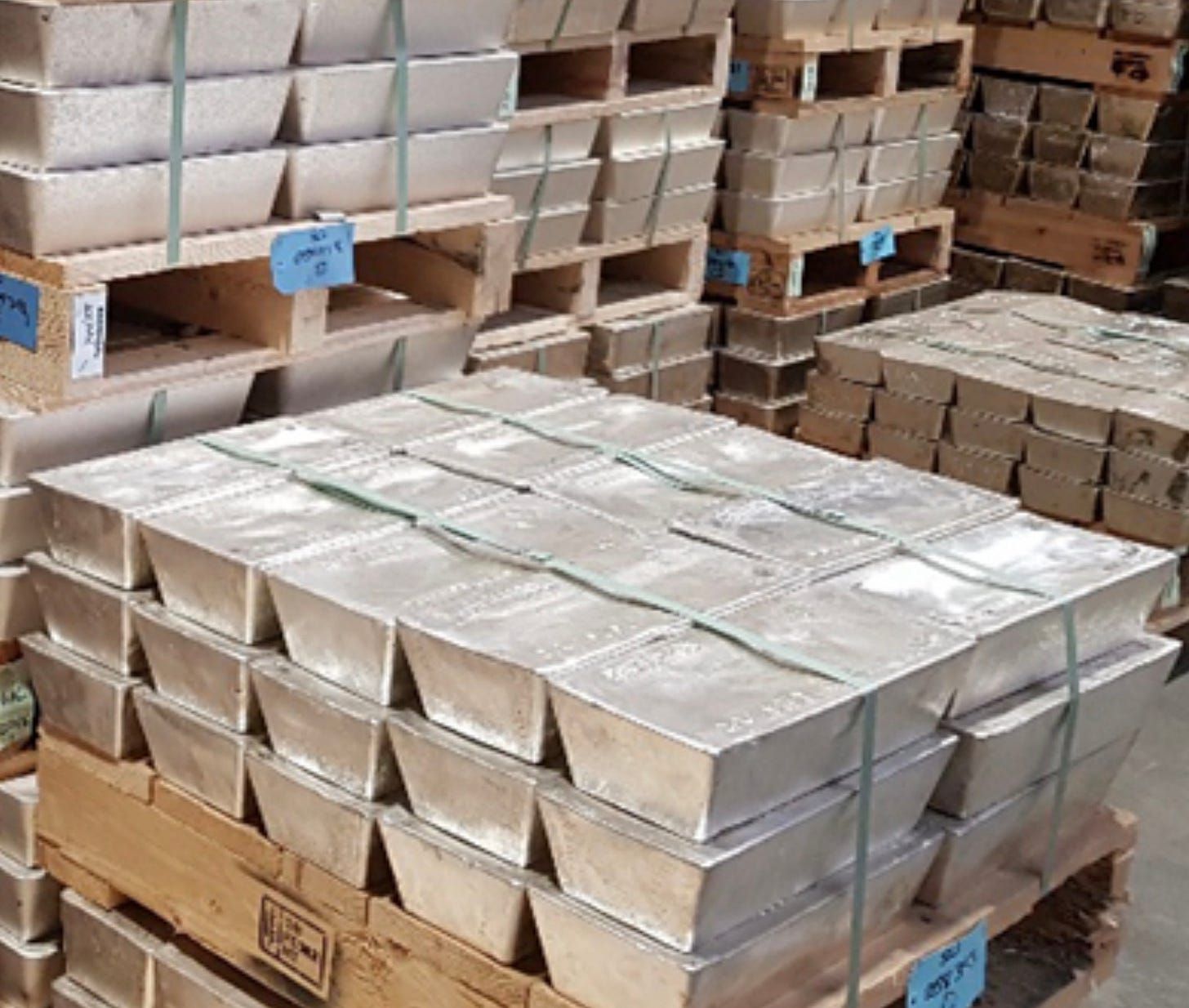
The global “spot” price is largely discovered on COMEX, operated by CME Group. What trades there are mostly paper contracts representing 5,000 ounces each — not pallets of physical metal moving across loading docks. Most contracts are rolled or cash-settled, not delivered. That means price is driven by leverage, positioning, margin, and momentum flows 📊. Physical supply influences price over time, but derivatives set price in the moment.
Across the Pacific, the Shanghai Futures Exchange operates under a different market culture 🐉. Delivery matters more, and industrial demand is massive and real. When Shanghai trades at a sustained premium to COMEX, it can signal physical tightness building beneath the surface. That divergence is not noise — it’s pressure. And pressure in commodity markets eventually resolves.
Many investors call what happens next “manipulation.” But structurally, what you’re seeing is liquidity provision by large bullion banks and commercial dealers. When markets go parabolic 🚀, they don’t panic — they sell into strength. As retail piles in and momentum funds chase headlines, the banks increase short exposure and provide the liquidity that allows the rally to continue. This is how exhaustion rallies are built.
Parabolic moves almost always end the same way ⚡. Momentum stalls, stops trigger, margin calls hit, and leveraged longs unwind fast. The same banks that sold into strength begin covering into the collapse. It feels coordinated when you’re on the wrong side, but structurally it’s leverage unwinding. The objective is never to punish you — it’s to capture volatility.
As a recovering New Yorker, I lived among traders, money managers, dealers, and brokers for most of my life 🗽. I still work with them. I know how they think and why they act. Their goal is never to smash a commodity to cause you a loss — it’s always about turning a profit, and if it comes at your expense, so be it.
That mindset explains why silver can surge $5 in weeks and then drop $3 in days, even when coin shops are tight and industrial demand is rising. Algorithms, options gamma, macro positioning, and dollar flows move markets faster than trucks move metal. Price is discovered where the leverage lives. And leverage is ruthless.
But here’s the turning point 🔥. Structural shortages change the long-term equation. If industrial demand keeps rising, if mine supply lags, and if inventories shrink while delivery pressure builds, paper dominance weakens. When physical constraint begins to matter more than leverage, volatility doesn’t disappear — it intensifies.
The real question is not whether silver is manipulated. The real question is whether paper leverage is still dominant — or whether physical constraint is starting to win. That battle between New York and Shanghai is playing out quietly right now. Most investors only see the daily chart, not the structural tension underneath it.
And this is just the beginning.
This is only a small portion of what you’ll find inside the Silver-Backed Lifestyle Report — where we break down exhaustion rallies, bullion bank positioning, Shanghai premiums, delivery stress signals, and how to build a strategy that survives volatility instead of being shaken out by it 💡.
If you’re serious about silver, you don’t just need conviction.
You need the playbook. Become a paid subscriber and you’ll be getting it first.